Quartz and quartzite sound almost identical, but they are two very different materials. Many homeowners confuse them when shopping for bathroom countertops or vanity tops, which can lead to unexpected maintenance costs and disappointment down the line. This guide breaks down what each material is, how they compare across the features that matter most, and which one is the better fit for your bathroom.
What Is Quartz and Where Does It Come From
Quartz countertops are an engineered product. They are made by combining ground quartz minerals, typically around 90 to 95 percent, with resin binders and pigments. The result is a dense, non-porous slab that is consistent in color and pattern throughout.
Because quartz is manufactured rather than quarried, it can be produced in a wide range of colors and finishes. Manufacturers can replicate the look of marble, granite, or solid stone while controlling the texture and consistency of every slab. This makes quartz a predictable and versatile material for homeowners who want a specific aesthetic without variation between slabs.
Quartz surfaces are non-porous by nature. They do not absorb water, stains, or bacteria, and they never need sealing. For bathroom vanities collection in particular, this is a significant advantage since the surface is exposed to water, soap, and cosmetics every day.
What Is Quartzite and How Is It Naturally Formed
Quartzite is a natural stone. It forms when sandstone is exposed to extreme heat and pressure deep within the earth over millions of years. This process fuses the sand grains together into a hard, crystalline rock that is entirely natural in origin.
Because quartzite is quarried directly from the earth, no two slabs look exactly the same. Each piece has its own unique veining, color variation, and pattern. Most quartzite is found in shades of white, gray, and light beige, though some varieties carry pink, gold, or blue tones depending on the minerals present during formation.
Quartzite is one of the hardest natural stones available, which makes it highly resistant to scratching and physical wear. However, it is porous, which means it needs to be sealed regularly to prevent staining and moisture absorption. Without proper sealing, liquids can penetrate the surface and cause lasting damage.
Quartz vs Quartzite: A Side-by-Side Comparison Table
The table below summarizes the key differences between quartz and quartzite across the features homeowners ask about most.
| Feature | Quartz | Quartzite |
| Origin | Engineered from ground quartz minerals and resin | Natural stone quarried from the earth |
| Appearance | Consistent color and pattern across slabs | Unique veining and variation in every slab |
| Durability | Highly durable, resistant to chips and scratches under normal use | Extremely hard natural stone, resistant to scratching |
| Maintenance | No sealing required, clean with soap and water | Requires sealing one to two times per year |
| Heat Resistance | Low to moderate, can be damaged by direct heat from styling tools | Higher heat tolerance than quartz |
| Cost | Typically $50 to $150 per square foot installed | Typically $65 to $190 per square foot installed |
Quartz scores higher on low maintenance and moisture resistance, which makes it the practical choice for bathroom environments. Quartzite offers a natural, one-of-a-kind appearance and better heat tolerance, but it requires more ongoing care.
For kitchen countertops where heat from pots and pans is a concern, quartzite may be worth considering if you are prepared for the maintenance commitment.
For bathroom vanity countertops specifically, quartz is the more suitable material. Bathrooms involve daily exposure to water, steam, toothpaste, makeup, and cleaning products. A non-porous surface that requires no sealing is much easier to manage in that context.
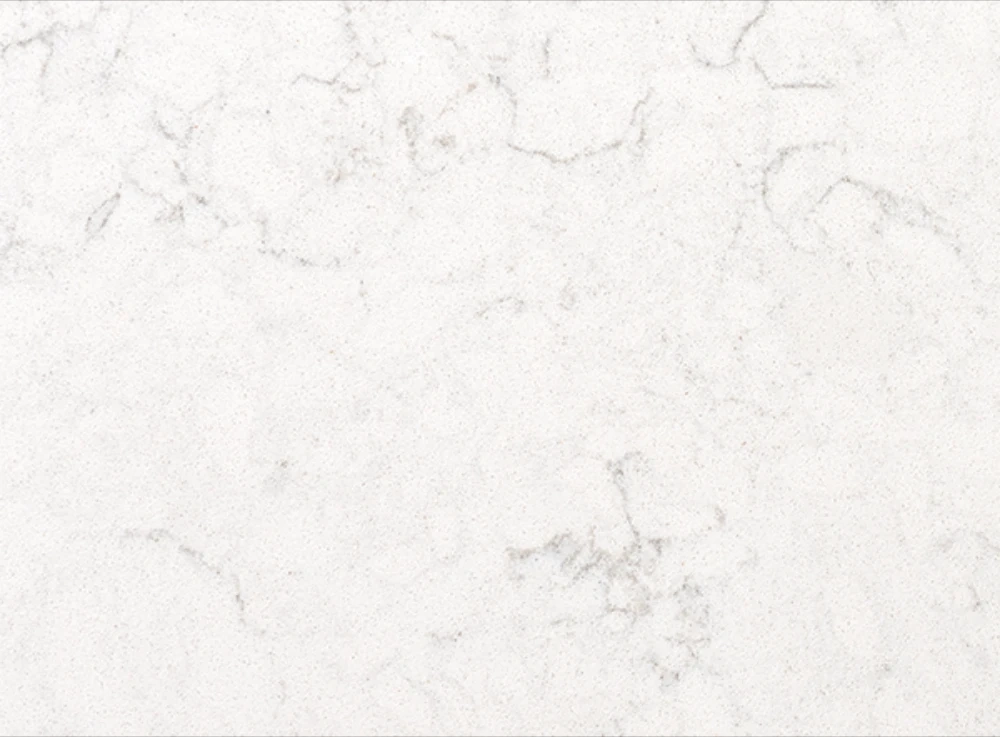
The Willow quartz top from Rock Solid Vanities features a soft white base with delicate gray veining, closely resembling the look of natural stone.
Related Article: Quartz Vs Marble Countertops
Quartz or Quartzite: Which Material Fits Your Needs Best
Both materials have real strengths, but the right choice depends on where you plan to use the countertop and how much ongoing maintenance you are willing to handle.
Choose quartz if:
You are installing a bathroom vanity countertop. Quartz is non-porous, requires no sealing, and resists the daily exposure to water, soap, toothpaste, and cosmetics that bathrooms demand. It is also the better option if you want a consistent color and pattern across the entire surface without natural variation between slabs. Quartz works well in busy households where low maintenance is a priority. If you have young children or simply prefer a surface that stays clean with minimal effort, quartz is the more practical choice.
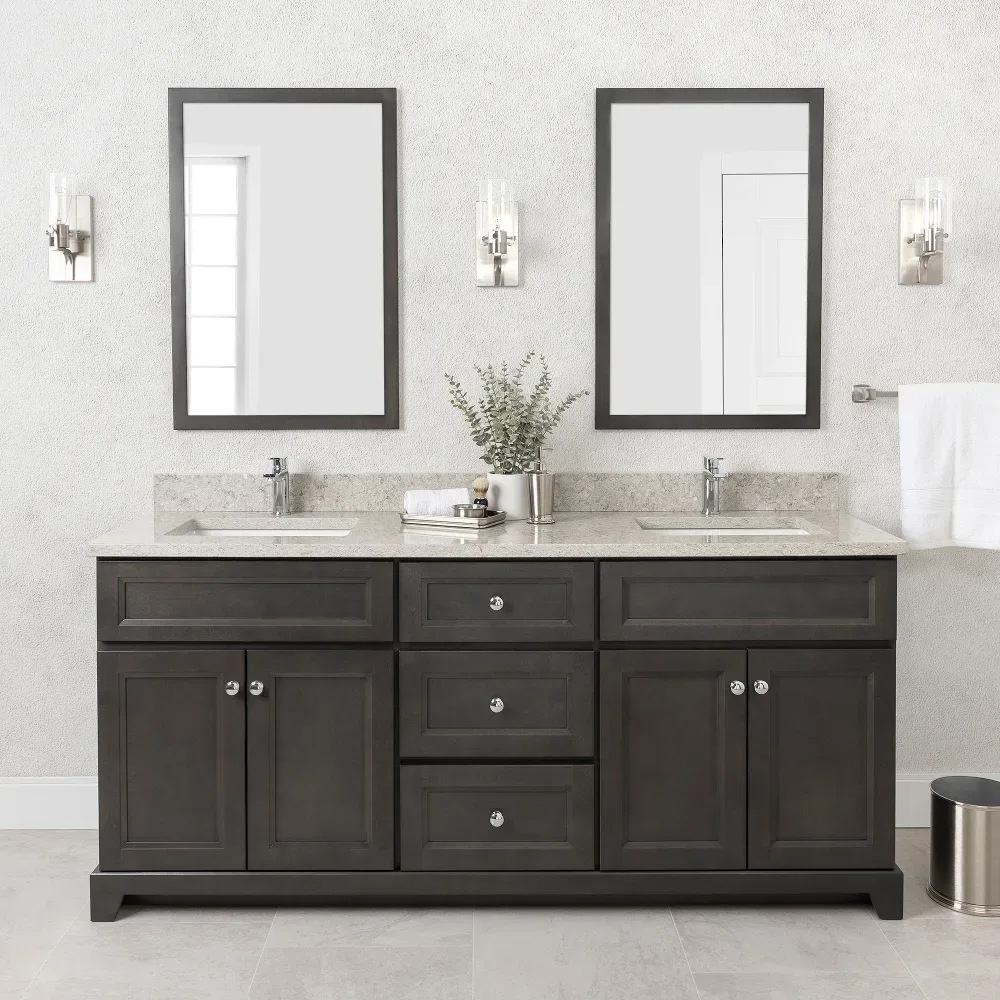
A modern bathroom featuring a Rock Solid Vanities setup, showing how a quartz countertop pairs with a well-designed vanity in a real home setting.
Choose quartzite if:
You want the look and feel of a natural stone with unique character in every slab. Quartzite is ideal for homeowners who appreciate one-of-a-kind veining and are comfortable sealing the surface once or twice a year. It handles heat better than quartz, which makes it a stronger candidate for kitchen countertops near cooktops or ovens. If natural origin and long-term hardness matter more to you than convenience, quartzite is worth the additional investment and upkeep.
For most bathroom applications, quartz is the recommended material due to its moisture resistance, durability, and ease of care.
| Related reading: |
Find the Perfect Quartz Vanity Top at Rock Solid Vanities
Rock Solid Vanities offers a curated selection of hand-crafted, semi-customizable bathroom vanities designed to work beautifully with quartz surfaces. RSV vanities are available in multiple sizes, premium finishes, and hardware options to suit a wide range of bathroom styles. Each piece is built with soft-close drawers and durable construction that complements the low-maintenance qualities of quartz countertops.
Whether you are planning a full bathroom remodel or simply upgrading your vanity, RSV makes it easy to find the right combination of style and function. Use the Dealer Locator on the Rock Solid Vanities website to find an authorized showroom near you, or explore the full collection online.
Find a Dealer Near You at rocksolidvanities.com
Frequently Asked Questions
Is quartzite the same as quartz?
No. Quartz is an engineered material made from ground minerals and resin. Quartzite is a natural stone formed through geological processes. They have different compositions, maintenance requirements, and price points.
Which is more expensive, quartz or quartzite?
Quartzite is generally more expensive due to the cost of quarrying and the complexity of working with natural stone. However, premium quartz grades can overlap with entry-level quartzite in price.
Can quartz be used outdoors?
Quartz is not recommended for outdoor use. Prolonged exposure to UV light can cause the resin in quartz to discolor or fade over time. Quartzite handles outdoor conditions better due to its natural composition.
Does quartzite scratch easily?
No. Quartzite is one of the hardest natural stones and resists scratching well. However, it still requires regular sealing to protect against moisture and staining.